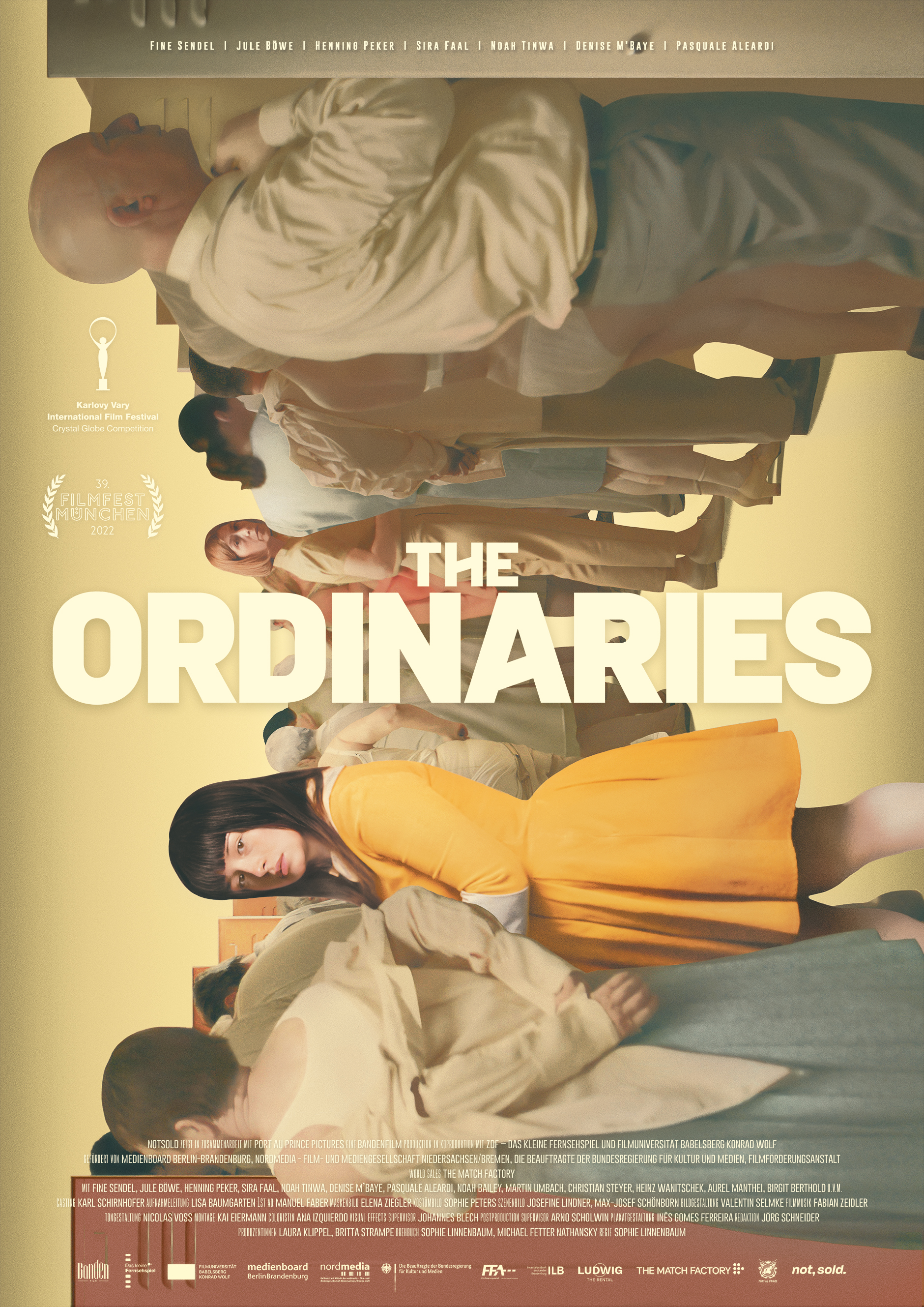
The Ordinaries is one of the most original films I’ve seen in years.
In life, there are Main Characters, Supporting Characters, and Outtakes. Paula is in training for her exam to see if she will be a Main Character like her deceased father, or be relegated to the sidelines like her Supporting Character mother. All she wants in the world is to pass her exam, that is until she ends up drawn into the world of Outtakes, the people the film has no use for.
Now, making a movie in which casting is a metaphor for class sounds cool, but it could be very one-note and on the nose. The Ordinaries is anything but. The film is just so inventive and creative. The film starts from that concept, then spills out in so many directions, playing with its central premise in different ways.
And it’s funny. Sending up the tropes and obvious cues to the audience. Something so Brechtian might be more clever than funny or so meta might be more irritating than humorous were it not for the extraordinary warmth and playfulness of The Ordinaries.
The Ordinaries is about whose stories matter. The Main Characters are all fitted with little panels on their hearts that convert their emotions into transcendent, sweeping scores. Everyone else’s emotions remain silent, self-contained. As the plot develops more into a political-social satire, you see Outtakes with pixelated mouths, censored further to silence them utterly.
But it is not just about those done-to, but about how regardless of what has been decided in the world at large, people on the margins do have their own stories, their own agency, their own narratives.
One of the most interesting characters for me is the maid that leads Paula into the world of Outtakes. She works in the house of Paula’s wealthy Main Character friend. While their musical genre family jump up on the dinner table and sing about how happy they are, her job is to actually set it up for the meal they’ll eat when the singing stops. They call her Miscast, and at her first appearance you think she is a throw-away sight gag. Because at first glance she is a not-that-attractive, middle-aged man in a French maid’s outfit. But as the film goes on you learn her name is Hilde and she is exactly who she is, just a woman, looking after her sick brother, trying to make ends meet and keep her head down enough to get by. At the same time, she is politically active, protecting and supporting those targeted by the police, and speaking out about the erasure of the experiences of those on the margins. She is just Hilde, but it’s been decided she doesn’t look like she’s supposed to, so she is relegated to being Miscast, her existence reduced to a joke in the background of others’ world. I have never seen such an interesting and succinct way of describing what it’s like being trans. That is literally all it is, society deciding you don’t look like you’re supposed to to be who you are.
I was so impressed with The Ordinaries. Nothing is done in a boring and expected way if it can be done in a more interesting one. Like when the police fire at you, the scene starts to cut to black in chunks as they try to delete your scene. So cool, so creative, great film.